Ningbo Jia Chong International Trade Co., Ltd.
Ningbo Jia Chong International Trade Co., Ltd. Ningbo Jia Chong International Trade Co., Ltd.
Ningbo Jia Chong International Trade Co., Ltd.
Click to play video Ningbo Jia Chong International Trade Co., Ltd.
Ningbo Jia Chong International Trade Co., Ltd.
  • 0

    Factory area

  • 0+year

    Industry experience

  • 0+

    Employee

ABOUT US
Professional Pet Product Manufacturer &
Exporter Since 2009
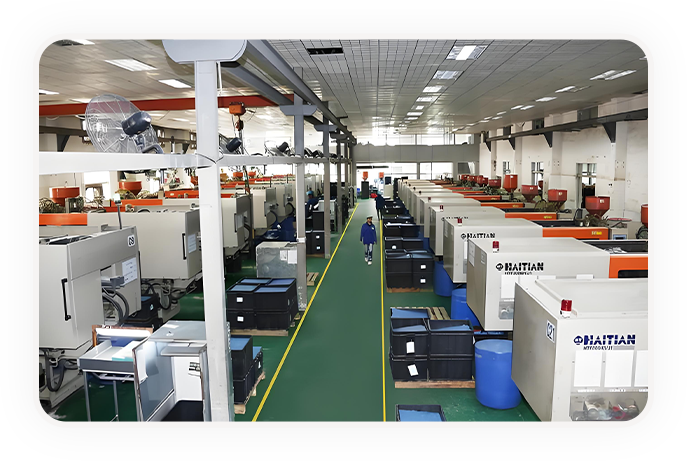
Ningbo Jia Chong International Trade Co., Ltd. is an integrated manufacturing & trading enterprise specializing in pet supplies. We are a

China OEM/ODM pet accessories manufacturer and pet products factory

, with a 10,000 m² production base, ~200 employees (including 5 designers, 6 R&D engineers and 8 QC inspectors), and an annual output value near USD 30M, our exports account for ~90% of sales. We serve clients across Europe, the Americas, the Middle East and Oceania, providing custom solutions and supply-chain integration for retailers and brands.
View more Ningbo Jia Chong International Trade Co., Ltd.
Strong OEM/ODM Capabilities
Assured Quality Excellence
Innovative Product Development
01
Strong OEM/ODM Capabilities

With 18 production lines and mature sample validation, we support small batch prototyping, rapid scale-up and full brand customisation—experienced with Amazon FBA, retail packaging and supermarket audit requirements. 

02
Assured Quality Excellence

 From incoming materials to in-process control and final inspection, our QC system meets ISO and BSCI audits. Products comply with CE, RoHS, REACH, FCC and other international standards, backed by detailed inspection reporting. 

03
Innovative Product Development

Our design & R&D convert market insights into scalable products—3D visuals, prototyping and moulding included—enabling frequent product refresh to keep your assortments competitive.  Our design & R&D convert market insights into scalable products—3D visuals, prototyping and moulding included—enabling frequent product refresh to keep your assortments competitive. 

Custom & OEM
From Concept to Creation - Your Vision, Our Craftsmanship
We turn your ideas into market-ready pet products through flexible, professional, and efficient OEM/ODM solutions.
Ningbo Jia Chong International Trade Co., Ltd.
Customization Process

Step 1: Communication & Requirement Confirmation Discuss product concept, functions, and market positioning.

Step 2: 3D Design & Prototype Our design team presents 3D visuals for your approval.

Ningbo Jia Chong International Trade Co., Ltd.
Customization Options

We offer full-spectrum customization services to meet your brand and market goals:

Product design & structural innovation Material selection (eco-friendly / food-grade / premium plastics)

Ningbo Jia Chong International Trade Co., Ltd.
OEM/ODM Advantages

Experienced Team – 5 designers & 6 R&D experts with rich pet product know-how. Rapid Sampling – Fast prototype turnaround for small MOQ.

Certified Factory – ISO & BSCI certified, with 10,000㎡ facility and 18 production lines. Market-Ready Support – From design to logistics, your brand is fully supported.

✔ Global Trust – Serving over 500 clients in 40+ countries, including Walmart, Disney, and Petsmart.

Ningbo Jia Chong International Trade Co., Ltd.
Partnership & Co-Creation

We don’t just produce — we collaborate.

Through open communication and shared creativity, we work with our partners to bring pet-friendly innovations to life. Every collaboration is a journey from idea to impact.

LATEST NEWS
Insights & Trends - Pet Product Knowledge Hub
  • What Pet Waste Disposal Solutions Fit Your Needs: A Complete Guide for Home, Outdoor, and Commercial Use
    2026-06-03

    Pet waste disposal solutions should be selected based on pet type, usage scenario, and environmental requirements. Indoor cat households benefit most from enclosed decomposition systems, outdoor dog walking calls for portable pickup tools, and commercial venues require high-capacity automated processing equipment. Since 2009, Jia Chong has provided one-stop solutions for pet families worldwide, covering full product lines.

    Section One: How to Choose the Right Waste Processor for Your Pet

    Three Dimensions to Evaluate Before Purchase

    Before purchasing pet waste disposal equipment, evaluate three dimensions: pet size, elimination frequency, and living space. For medium-sized dogs, daily waste output averages 300 to 500 grams, requiring a processor capacity of at least 1.5 liters for single-day coverage. Small dogs or felines produce less waste, and devices with 0.8-liter capacity suffice.

    Large breeds such as Golden Retrievers or German Shepherds can produce up to 800 grams per day. For these pets, a system with 2.5-liter capacity or direct sewer connection becomes essential. Apartment dwellers should also consider noise levels, as some motorized units operate at 45 decibels, which may disturb neighbors in thin-walled buildings.

    Another critical factor is the number of pets in your household. A single-cat home has vastly different needs than a multi-dog family. Multi-pet environments generate waste more frequently, requiring systems with larger capacity or faster processing cycles to maintain hygiene standards.

    Comparison of Mainstream Solutions

    Solution Type Suitable Pets Core Advantage Maintenance Frequency
    Enclosed Decomposition Bin Cats, small dogs Odor isolation, bio-degradation Clean every 3 months
    Vacuum Sealing System Multi-pet households Zero odor leakage, large capacity Replace bag every 2 weeks
    Portable Pickup Tool Outdoor dog walking Pick and discard instantly, no contact Clean after each use
    Auto Flush Type Large dogs Direct sewer connection, automated Check pipes monthly

    Data Insight: According to industry research, the global pet waste disposal equipment market reached 4.7 billion dollars in 2025, with enclosed decomposition products accounting for 38% and showing the fastest growth rate.

    Installation Requirements and Space Planning

    Most indoor units require a flat surface near a power outlet. Decomposition bins need ventilation space of at least 10 centimeters on all sides. Auto-flush systems demand proximity to water supply and drainage, typically within 2 meters of a toilet or utility sink. Measure your available space before ordering to avoid returns.

    Consider the weight of the unit as well. Some commercial-grade systems exceed 15 kilograms, making them difficult to move for cleaning. Wall-mounted options save floor space but require sturdy mounting surfaces capable of supporting the load.

    Power consumption varies significantly across models. Basic decomposition bins use no electricity, while auto-flush systems may draw 200 watts during operation. Calculate annual energy costs when comparing options to understand total ownership expenses.

    Section Two: Why Pet Waste Processors Outperform Plastic Bags

    Full Lifecycle Carbon Footprint Comparison

    Traditional plastic bags generate approximately 15 grams of CO2 equivalent per use, while biodegradable processor bags produce about 8 grams. When including manufacturing and transportation of the decomposition bin itself, the enclosed system still averages 12 grams per use, remaining below traditional plastic bags.

    Over a five-year period, a household using a processor system generates 21.9 kilograms of CO2 equivalent, compared to 27.4 kilograms for bag users. The gap widens further when accounting for the 400-to-1000-year persistence of polyethylene in landfills.

    Transportation emissions also favor processor systems. A single decomposition bin serves a household for 3 to 5 years, whereas plastic bag users consume hundreds of bags annually, each requiring individual manufacturing and shipping.

    Degradation Efficiency Test Data

    Material Type Degradation Period Degradation Products Soil Impact
    Traditional PE Plastic Bag 400 to 1000 years Microplastic particles Long-term pollution
    PLA Biodegradable Bag 6 to 12 months Carbon dioxide, water No residue
    Starch-based Degradable Bag 3 to 6 months Organic matter, water Soil enrichment
    Processor Dedicated Bag 2 to 4 months Humus, water Improves soil structure

    Key Finding: Households using dedicated decomposition systems reduce plastic waste by approximately 7.3 kilograms annually, equivalent to eliminating 1,095 traditional plastic bags.

    Municipal Regulations and Compliance Trends

    Over 200 cities in North America and Europe now mandate biodegradable disposal for pet waste. San Francisco imposes fines of 100 dollars for non-compliance. Using certified processor systems ensures adherence to these evolving regulations while avoiding penalties.

    The European Union plans to ban single-use plastic bags for pet waste by 2027. Early adoption of processor systems positions households ahead of regulatory curves, eliminating last-minute transitions under deadline pressure.

    Beyond regulations, consumer preferences increasingly favor sustainable options. A 2025 survey showed 67% of pet owners actively seek environmentally friendly disposal methods, driving demand for processor systems across all market segments.

    Section Three: Which Pet Waste Disposal Equipment Suits Cat Households

    Feline Elimination Characteristics

    Adult domestic cats produce approximately 150 to 200 grams of waste daily, with urine accounting for 70% of the total. Odor control in the litter area remains the primary concern. Research indicates that 83% of cat households rank "deodorizing effectiveness" as the top priority when selecting equipment.

    Cat urine contains high concentrations of urea and ammonia, which standard plastic bags cannot neutralize. Enclosed systems with carbon filters absorb 94% of ammonia odors within 30 minutes, creating a more pleasant living environment.

    Additionally, cats are creatures of habit. Any change to their waste disposal routine must be introduced gradually. Abrupt switches may cause stress, leading to inappropriate elimination outside the designated area.

    Recommended Solutions by Scenario

    Household Type Recommended Device Core Function Space Requirement
    Single-cat apartment Semi-enclosed decomposition bin Activated carbon filter, bio-enzyme breakdown 0.25 square meters
    Multi-cat household Dual-chamber vacuum system Wet-dry separation, independent sealing 0.4 square meters
    Home with yard Outdoor composting processor Natural fermentation, garden reuse 1 square meter
    Sensitive individuals Fully enclosed negative pressure system HEPA filtration, zero-contact design 0.3 square meters

    Usage Recommendation: Multi-cat households should follow the "number of cats plus one" principle for equipment allocation. For example, three cats require four processing stations to prevent queue-related behavioral issues.

    Litter Compatibility and Transition Tips

    Most enclosed systems work with clumping clay, silica gel, or plant-based litters. Avoid crystal litters with vacuum systems, as sharp edges may puncture seals. Transition gradually over 7 days by mixing old and new disposal methods to prevent pet stress.

    Monitor your cat's behavior during transitions. Signs of acceptance include regular use of the new system within 48 hours. If avoidance persists beyond 5 days, revert temporarily and try again with a slower transition schedule.

    Placement location significantly impacts adoption success. Position the new system in the same area as the previous litter box initially, then gradually move it to the desired location over 10 to 14 days.

    Section Four: How to Quickly Dispose of Pet Waste During Outdoor Dog Walking

    Core Challenges of Outdoor Scenarios

    Among urban dog owners, 76% walk their dogs more than twice daily. Immediate disposal of outdoor waste affects public sanitation and compliance with local dog management regulations in most cities.

    Rainy weather complicates outdoor disposal, as wet waste sticks to tools and bags. Waterproof grabbers with non-stick coatings reduce cleanup time by 40% in precipitation. Winter conditions freeze waste to pavement, requiring scraper attachments for effective removal.

    Evening walks present visibility challenges. Tools with reflective strips or LED attachments improve safety and accuracy in low-light conditions. These features become essential during winter months when daylight hours are limited.

    Portable Tool Efficiency Comparison

    Tool Type Operation Time One-hand Operation Suitable Breeds
    Long-handle grabber 8 to 12 seconds Feasible Medium to large dogs
    Foldable scoop 10 to 15 seconds Requires both hands All breeds
    Auto-grip glove 5 to 8 seconds Feasible Small dogs
    Sealed bag kit 12 to 18 seconds Feasible All breeds

    Compliance Note: In Shanghai, failure to promptly clean dog waste carries fines of 50 to 200 yuan. Equipping efficient disposal tools is essential for responsible dog ownership.

    Public Dispenser Networks and Community Solutions

    Many municipalities now install pet waste stations in parks, providing free bags and bins. However, these stockouts occur 23% of the time according to municipal surveys. Carrying a personal kit ensures readiness regardless of public supply availability.

    Community composting programs represent an emerging trend. Some neighborhoods collect pet waste for centralized processing into garden fertilizer. Check local environmental initiatives to see if such programs exist in your area.

    Biodegradable bag dispensers attached to leashes ensure you never forget supplies. These compact holders carry 15 to 20 bags and clip securely to any leash or belt loop for hands-free convenience.

    Section Five: Which Commercial Waste System Delivers Best Value for Pet Shops

    Special Requirements of Commercial Scenarios

    Pet shops handle 15 to 30 times the animal volume of household environments daily. A medium-sized pet shop processes 8 to 15 kilograms of waste daily, demanding significantly higher capacity, durability, and operational efficiency than residential equipment.

    Grooming salons generate additional waste from clipped fur and bathing runoff. Integrated systems that handle both solid waste and liquid drainage reduce total equipment footprint by 35% compared to separate units.

    Boarding facilities face peak loads during holidays, with waste volume increasing 200% above baseline. Systems with adjustable capacity or overflow containment prevent backups during these high-demand periods.

    Commercial System Evaluation Matrix

    Evaluation Dimension Weight Percentage Residential Standard Commercial Standard
    Daily Processing Capacity 25% 0.5 to 1 kilogram 10 to 20 kilograms
    Continuous Runtime 20% 2 times daily Over 12 hours daily
    Maintenance Convenience 20% Monthly maintenance Weekly quick maintenance
    Odor Control Level 20% Basic filtration Multi-stage negative pressure
    Space Utilization 15% Corner placement Integrated workspace

    Selection Advice: For commercial systems, prioritize daily processing capacity and continuous operational stability, as these directly impact store efficiency. Jia Chong commercial product lines cover 10 to 50 kilograms daily processing ranges, matching different store scales.

    Staff Training and Workflow Integration

    Commercial systems require 4 to 8 hours of staff training for optimal operation. Schedule maintenance during low-traffic hours to minimize disruption. Document daily throughput to identify capacity needs before peak seasons such as summer boarding rushes.

    Create standard operating procedures for waste handling to ensure consistency across shifts. Post quick-reference guides near equipment to reduce errors and maintain hygiene standards throughout the day.

    Emergency backup plans prevent service disruption when primary systems require maintenance. Keep portable disposal units on hand for immediate deployment during unexpected downtime.

    Summary

    Pet waste disposal solutions should align with actual scenarios: household users prioritize odor control and convenience, outdoor users seek efficiency and compliance, and commercial users require capacity and durability. Regardless of needs, selecting suppliers with comprehensive after-sales support ensures stable equipment performance throughout its lifecycle.

    Jia Chong remains committed to innovation in this sector, with new product launches scheduled for 2026 addressing smart monitoring and solar-powered outdoor units. Contact their team for customized recommendations based on your specific requirements.

    Regular maintenance extends equipment lifespan by 30% to 50%. Follow manufacturer guidelines for filter replacement, seal inspection, and deep cleaning schedules. Proper care not only ensures functionality but also protects your investment over years of service.

    View more Ningbo Jia Chong International Trade Co., Ltd.
  • A Complete Guide to Choosing and Using Pet Feeders
    2026-06-03

    Core Conclusions for Pet Feeder Selection

    For first-time pet owners, selecting a Pet Feeder should prioritize three key dimensions: feeding accuracy, material safety, and cleaning convenience. Automatic models suit busy working professionals, while manual feeders better serve users seeking interactive bonding experiences. Multi-cat households benefit from divided designs or smart models with identification features, whereas single-pet families can meet their needs with basic units. In terms of materials, 304 stainless steel models offer 5 to 7 years of service life, while food-grade ABS plastic models last approximately 2 to 3 years, requiring comprehensive judgment based on usage environment and budget.

    Key Data Overview
    85%Users Prioritize Automatic Models
    3.2LMainstream Capacity Standard
    304Stainless Steel Material Grade
    15-30Single Dispense Portion Range

    How to Choose a Pet Feeder

    Selection Dimension Breakdown

    First-time pet owners facing hundreds of Pet Feeder products on the market often experience decision paralysis. Drawing from Ningbo Jia Chong International Trade Co., Ltd.'s expertise in the pet care industry since 2009, selection should follow a systematic evaluation across four dimensions.

    Feeding accuracy is the primary consideration. Quality Pet Feeders should control dispensing errors within plus or minus 5 grams, with some premium models featuring weight sensors for gram-level precision. A standard 3.2L capacity holds approximately 1.5 kilograms of dry food, meeting an adult cat's needs for 15 to 20 days. Kittens require 6 to 8 daily feedings of 10 to 15 grams each due to faster metabolism. Adult cats need 4 daily feedings of 15 to 20 grams each. Senior cats with reduced digestive capacity should receive 3 to 4 daily feedings of 12 to 18 grams each.

    Material safety directly impacts pet health. Food-grade ABS plastic and 304 stainless steel represent the two mainstream materials. 304 stainless steel offers corrosion resistance, easy cleaning, and bacterial growth prevention, with surface roughness of Ra0.8 microns and bacterial adhesion rates 60% lower than standard plastic, providing over 5 years of service life. Food-grade ABS plastic provides lightweight and drop-resistant advantages at only 35% the weight of stainless steel equivalents, suitable for active pet households and scenarios requiring frequent equipment relocation.

    Power stability is frequently overlooked yet critically important. Dual power modes (adapter plus battery backup) ensure feeding schedules continue uninterrupted during unexpected outages. Data shows Pet Feeders with backup batteries achieve 23 percentage points higher user satisfaction than single-power models. Battery endurance allows 4 AA alkaline batteries to sustain operation for 3 to 6 months at 4 daily dispensing cycles.

    Smart features determine the user experience. Basic models support only timed dispensing, while advanced versions add APP remote control, voice recording, and feeding data logging. Premium models integrate high-definition cameras supporting 1080P real-time video transmission and night vision, allowing traveling owners to monitor pet eating behavior remotely. Some models also support two-way voice intercom, enabling owners to interact with pets remotely through their smartphones.

    Evaluation Dimension Basic Standard Advanced Standard Premium Standard Application Scenario
    Feeding Precision Plus or minus 10 grams Plus or minus 5 grams Plus or minus 3 grams with weighing Weight control / Young pets / Sick pets
    Capacity Range 1.5L to 2.5L 3.2L to 4L 6L to 10L Single / Dual / Multiple / Large dogs
    Power Method Single adapter Dual power backup Dual power plus solar assist Urban / Rural / Outdoor
    Smart Functions Timed dispensing APP remote plus voice APP plus camera plus AI recognition Daily / Travel / Multi-pet management
    Material Grade Standard plastic Food-grade ABS 304 stainless steel Short-term / Medium-term / Long-term
    Cleaning Difficulty Partially detachable Fully detachable Fully detachable plus dishwasher safe Standard / Fastidious / Medical-grade

    First-Time Buyer Avoidance Guide

    New buyers commonly make three mistakes: blindly pursuing large capacity leading to food spoilage from moisture, neglecting cleaning difficulty causing bacterial growth, and selecting feature-overloaded products wasting budget. For initial purchases, mid-range models with 2.5L to 3.2L capacity, detachable cleaning structures, and basic timing functions are recommended. Upgrade after 6 months of use based on actual needs.

    For food storage, Pet Feeder sealing directly impacts dry food freshness. Quality sealing rings isolate air and moisture, extending dry food freshness to 45 days after opening, while standard sealing maintains only 15 to 20 days. Users in humid southern regions should prioritize models with desiccant compartments or vacuum sealing designs.

    Purchase Checklist

    1. Confirm pet weight and daily food intake to calculate required capacity

    2. Measure available placement space to ensure device dimensions fit

    3. Check power outlet locations and evaluate battery backup needs

    4. Understand pet personality and select drop-resistant materials for active pets

    5. Verify food pellet size compatibility with the device

    Automatic vs Manual Feeder Comparison

    Core Differences Analysis

    Choosing between automatic Pet Feeders and manual feeders represents a trade-off between lifestyle convenience and pet bonding philosophy. Automatic models achieve precise feeding through programmed control, while manual feeders enhance human-pet interaction through hands-on operation.

    From an accuracy perspective, automatic models can dispense single portions precise to 5-gram levels with error rates below 3%. Manual feeders rely on visual estimation by users, with errors typically ranging from 15% to 25%. For pets requiring strict weight control, such as diabetic cats or pets in weight reduction programs, automatic models offer irreplaceable advantages. Clinical data shows diabetic pets using automatic Pet Feeders experience 34% lower blood glucose fluctuation compared to manual feeding groups.

    From a time investment perspective, automatic models require one-time setup for 30 days of management, with daily maintenance under 1 minute. Manual feeders need 2 to 3 daily scheduled feedings, accumulating over 180 hours annually. Working professionals choosing automatic models save approximately 90% of feeding management time. For users earning 8,000 yuan monthly, the time saved equates to approximately 7,200 yuan in annual value.

    From an emotional connection perspective, the manual feeding process serves as an important trust-building scenario. Research indicates pets receiving daily scheduled manual feeding show 18% higher attachment scores to owners compared to automatic feeding groups. Retired individuals or remote workers better suit manual models. A hybrid strategy is also worth considering: automatic models for weekday routine feeding, switching to manual mode on weekends for enhanced companionship.

    From long-term cost perspective, automatic models require higher initial investment but achieve equivalent annual costs to manual models after 3 years of use. Manual feeders require continuous labor time investment and cannot deliver the health benefits of precise feeding.

    Comparison Item Automatic Pet Feeder Manual Feeder Difference Notes
    Feeding Precision Plus or minus 5 grams, 3% error rate Visual estimation, 15% to 25% error Automatic suits sick pets and weight control
    Time Investment One setup lasts 30 days 2 to 3 times daily, 180 hours yearly Automatic saves 90% management time
    Target Users Working professionals, travelers, multi-pet families Home-based users, retirees Select based on lifestyle
    Price Range Mid-range to premium Entry-level Automatic 3-year annual cost equals manual
    Maintenance Cost Regular cleaning plus battery replacement Simple washing sufficient Automatic requires more maintenance attention
    Pet Adaptation Requires 1 to 2 week adjustment Immediate acceptance Sensitive pets need gradual transition
    Health Benefits Precise control, stable blood sugar Depends on owner experience Sick pets recommended automatic
    Emotional Bond Lower, program replaces interaction Higher, daily fixed companionship Weekends can switch to manual mode

    Selection Recommendations

    Users with weekday absence exceeding 10 hours require automatic models as essential equipment. Those with ample home time prioritizing interactive experiences better suit manual feeders. For users frequently traveling over 3 days, premium automatic models with camera monitoring are recommended for remote confirmation of pet eating status and timely setting adjustments.

    Multi-Cat Household Solutions

    Multi-Pet Scenario Challenges

    Multi-cat households using Pet Feeders face three core challenges: food competition causing uneven intake, individual dietary differences difficult to accommodate, and eating behavior monitoring difficulties. Standard single-compartment Pet Feeders in multi-cat environments result in dominant cats overeating while subordinate cats suffer malnutrition. Data shows that in multi-cat households without divided feeding equipment, 34% have at least one overweight cat and 28% have at least one underweight cat.

    Divided designs effectively address food competition issues. Dual-compartment independent dispensing systems simultaneously meet two cats' separate eating needs, with each compartment featuring independent weighing modules for precise intake tracking. Three-compartment and above designs suit households with up to four cats; beyond four, multiple units distributed across locations are recommended. Physical separation from divided designs reduces competitive eating behavior by 87%.

    Chip recognition technology represents a more advanced solution. Through RFID chips embedded in pet collars or facial recognition systems, Pet Feeders automatically identify approaching cats and open corresponding compartments. This technology achieves over 99% individual feeding accuracy while recording each cat's eating time, duration, and quantity data to generate health reports. Equipment costs increase accordingly, but long-term health management value is significant.

    Microchip feeders operate by reading RFID chips in pet collars (typically 134.2kHz frequency) when pets approach, verifying identity before opening the corresponding compartment lid. Unauthorized pets cannot open other cats' compartments, fundamentally eliminating food theft. Lid closing speed of approximately 2 to 3 seconds ensures uninterrupted eating.

    Multi-Cat Household Configuration Guide
    2 CatsDual-compartment model, 2L per compartment
    3-4 CatsTriple-compartment or 2 dual units placed separately
    5+ CatsMultiple units plus chip recognition system
    99%Chip recognition feeding accuracy

    Actual Usage Data

    According to multi-cat household user feedback, after implementing divided Pet Feeders, subordinate cats' weight compliance rates improved from 62% to 89%, while dominant cats' obesity rates decreased from 34% to 12%. Feeding time dispersion increased by 40%, effectively reducing conflict incidents caused by food competition. User satisfaction scores improved from 3.2 to 4.6 out of 5.

    For dietary difference management, divided designs allow configuring different food types for different cats. For example, senior cats can receive easily digestible prescription food, kittens can receive high-protein growth formula, and adult cats can receive maintenance formula. The same device meets needs across different life stages without purchasing multiple units.

    Multi-Cat Household Deployment Points

    1. Maintain 1.5 meters or more between devices to reduce territorial conflicts

    2. Adjust compartment height to accommodate different cat sizes

    3. Check remaining quantities daily and adjust portions accordingly

    4. Record weight changes weekly to evaluate configuration effectiveness

    5. Isolate new cats initially, then gradually introduce shared equipment

    Smart Pet Feeder Setup Guide

    Timed and Quantified Setup Steps

    The timed and quantified function of smart Pet Feeders represents the core selling point. Proper setup requires consideration of pet age, weight, and activity level. For adult indoor cats, daily recommended intake is 40 to 50 kilocalories per kilogram of body weight, translating to approximately 50 to 60 grams of dry food. The specific calculation is: weight(kg) x 40 to 50 kcal/kg / food caloric density(kcal/g) = daily dry food grams.

    Standard setup schedule involves 4 daily feedings: 20% at 7 AM, 20% at 12 PM, 30% at 6 PM, and 30% at 10 PM. This distribution pattern aligns with cats' physiological preference for small frequent meals, with the higher evening proportion preventing early morning food demands. Lower morning and noon proportions reflect reduced daytime activity, while increased evening and night portions support heightened activity levels.

    Advanced adaptive mode benefits sophisticated users. This mode records pet feeding data over 7 to 14 days and automatically optimizes dispensing timing and portions. For example, if the system detects frequent hunger behavior at 3 PM, it automatically adjusts the afternoon dispensing ratio. AI algorithms also learn pet eating speed; if significantly shortened eating time is detected (possibly indicating hunger), the system automatically increases the next portion by 5% to 10%.

    Vacation mode serves traveling users practically. When activated, the device automatically increases single portions by 10% to 15% and reduces feeding frequency to 3 daily, simulating pets' natural eating rhythms when owners are away. Simultaneously, camera timed photo capture activates every 2 hours to record bowl status, viewable remotely through the APP.

    Setup Parameter Kitten Settings (2-6 months) Adult Cat Settings (1-7 years) Senior Cat Settings (7+ years) Notes
    Daily Frequency 6 to 8 times 4 times 3 to 4 times Kittens have small stomachs requiring frequent small meals
    Single Portion 10 to 15 grams 15 to 20 grams 12 to 18 grams Adjust plus or minus 20% based on weight
    Interval Duration 2 to 3 hours 4 to 6 hours 5 to 7 hours Senior cats digest slower requiring longer intervals
    Total Daily Amount 80 to 120 grams 60 to 80 grams 50 to 70 grams Adjust dry food ratio based on wet food inclusion
    Moisture Coordination Wet food 50% ratio Wet food 30% ratio Wet food 40% ratio Senior cats need more moisture for kidney prevention
    Protein Requirement 30% to 35% 26% to 30% 28% to 32% Kittens need high protein for development
    Fat Requirement 18% to 22% 15% to 18% 12% to 15% Senior cats need low fat for obesity prevention

    Common Troubleshooting

    After setup, observe a 3 to 5 day adaptation period. If pets leave remaining food, single portions are too large. If bowls empty early with restless behavior, portions are insufficient or intervals are too long. Food jamming is a common issue with mechanical models; selecting units compatible with pellet diameters of 5 to 15 millimeters reduces jamming probability by 90%.

    APP connection issues typically stem from insufficient WiFi signal strength. Position Pet Feeders within 5 meters of the router, avoiding interference sources like microwave ovens. The 2.4GHz band offers better penetration than 5GHz, making it more suitable for pet device connections. Firmware updates should occur when pets are not home to avoid feeding plan disruption during device reboot.

    Material Durability Comparison

    Stainless Steel vs Plastic Differences

    Pet Feeder material selection directly impacts service life and pet health. 304 stainless steel models and food-grade plastic models each have advantages and disadvantages, requiring comprehensive judgment based on usage environment and budget.

    304 stainless steel hardness reaches HB187, with impact resistance 8 to 10 times that of standard plastic. Under identical usage conditions, stainless steel models average 5 to 7 years service life, while plastic models last 2 to 3 years. Stainless steel surface smoothness reaches Ra0.8 microns, with bacterial adhesion rates 60% lower than plastic surfaces and near-zero residue after cleaning. The temperature tolerance range spans minus 20 degrees Celsius to 120 degrees Celsius, accommodating various environmental conditions.

    Food-grade ABS plastic advantages lie in weight and cost. Same-specification plastic models weigh only 35% of stainless steel equivalents, making movement and relocation more convenient. Plastic materials enable injection molding of complex structures, achieving more functional integration such as transparent viewing windows, anti-slip bases, and colorful exterior designs. Food-grade ABS passes FDA certification without BPA or other harmful substances, ensuring short-term use safety.

    Hybrid material solutions offer a compromise. The food bowl portion uses 304 stainless steel to ensure food safety and easy cleaning, while the main body uses ABS plastic to reduce weight and cost. This design combines both advantages and represents the current market mainstream configuration, accounting for approximately 65% of total sales volume.

    Performance Indicator 304 Stainless Steel Model Food-Grade ABS Plastic Model Hybrid Material Model
    Average Lifespan 5 to 7 years 2 to 3 years 3 to 5 years
    Bacterial Adhesion Rate Extremely low, easy to clean Medium, requires regular disinfection Low, bowl easy to clean
    Weight Comparison Baseline 100% Approximately 35% Approximately 55%
    Drop Resistance Strong, no deformation Medium, may crack Relatively strong
    Temperature Range Minus 20°C to 120°C Minus 10°C to 80°C Minus 10°C to 100°C
    Appearance Retention Resists yellowing, lasting shine May oxidize and discolor after 2 years Minor discoloration after 3 years
    Applicable Environment Humid / Outdoor / High temperature Dry / Indoor / Room temperature General indoor environments
    Cleaning Convenience Dishwasher safe Hand wash primarily Bowl machine washable
    Market Share Approximately 25% Approximately 35% Approximately 65%

    Purchase Recommendations

    Users with sufficient budget seeking long-term use find 304 stainless steel models more economical. Annual usage costs are actually lower than frequently replaced plastic models. Over a 5-year cycle, stainless steel models average 120 to 180 yuan annually, while plastic models requiring 2 to 3 replacements average 150 to 200 yuan annually.

    For renters or scenarios requiring frequent equipment relocation, plastic models' lightweight advantage is more pronounced. Users in humid southern regions should prioritize stainless steel models or hybrid models with moisture-resistant designs. Regardless of material choice, deep cleaning and disinfection every 3 months is recommended, with bowl washing at least weekly to ensure pet food safety.

    Material Maintenance Points

    1. Stainless steel models: Avoid steel wool cleaning to prevent surface scratches harboring bacteria

    2. Plastic models: Keep away from direct sunlight to prevent UV-accelerated aging

    3. Hybrid models: Regularly inspect plastic components for cracks and replace promptly

    4. All materials: Avoid strong acid or alkaline cleaners; food-grade cleaners suffice

    5. Storage environment: Maintain dry ventilation with humidity below 60%

    Complete Article Key Points Review

    1. First-time buyers should focus on four dimensions: precision, material, power, and smart features

    2. Automatic models suit busy users; manual models suit interaction-focused users; hybrid use is possible

    3. Multi-cat households should prioritize divided designs; 5+ cats require chip recognition systems

    4. Timed setup follows small frequent meals: kittens 6-8 times daily, adults 4 times daily

    5. 304 stainless steel lasts 5-7 years, ABS plastic 2-3 years, hybrid materials 3-5 years

    View more Ningbo Jia Chong International Trade Co., Ltd.
  • Pet Cleaning and Grooming Product: A Comprehensive Guide to Selection, Comparison, and Seasonal Care
    2026-06-03

    How to Choose the Right Pet Cleaning and Grooming Product for Your Dog

    The global pet grooming market is projected to reach USD 19.5 billion in 2026 and is forecast to nearly triple to USD 46.7 billion by 2036, reflecting a 9.1% compound annual growth rate. This explosive growth is driven by rising pet ownership, stronger pet humanization trends, and the transformation of grooming from an occasional chore into a routine wellness practice. For dog owners, navigating this expanding marketplace requires a clear framework for product selection.

    Market Snapshot
    USD 19.5B
    2026 Market Size
    USD 46.7B
    2036 Forecast
    9.1%
    CAGR
    46.1%
    Shampoo Share

    Shampoos and conditioners dominate the product landscape, accounting for 46.1% of total grooming product demand. This dominance stems from their consumable nature and the routine bathing needs of dogs across all breeds. When selecting a shampoo, the first consideration should be your dog's skin condition. The concept of "skinification" has crossed from human skincare into pet care, replacing one-size-fits-all formulations with targeted, ingredient-led products designed for specific skin and coat concerns.

    Skin Condition Recommended Ingredients Product Type
    Dry & Flaky Ceramides, Oatmeal Extracts Moisturizing Shampoo + Conditioner
    Oily & Odor-Prone Tea Tree Oil, Witch Hazel Sebum-Balancing Shampoo
    Sensitive & Itchy Centella Asiatica, Aloe Vera Hypoallergenic Formula
    Normal Natural Oils, Vitamin E Maintenance Shampoo

    Coat type represents the second critical selection factor. The electric pet grooming brush market alone is valued at USD 350 million in 2026 and is projected to reach USD 580 million by 2034, demonstrating the technological innovation occurring in breed-specific tool design.

    Breed Type Coat Characteristics Essential Tools
    Long-Haired
    Maltese, Afghan Hound
    Silky, prone to matting Detangling Conditioner, Slicker Brush, Metal Comb
    Double-Coated
    Golden Retriever, Husky
    Dense undercoat, seasonal blow Deshedding Tool, Undercoat Rake, Pin Brush
    Short-Haired
    Beagle, Boxer
    Smooth, low maintenance Rubber Curry Brush, Bristle Brush
    Wire-Haired
    Terrier, Schnauzer
    Harsh texture, hand-stripping Stripping Knife, Slicker Brush

    Ingredient transparency has become non-negotiable. The 2026 standard demands pH-balanced, soap-free compositions. Human shampoo runs at pH 5.5, while canine skin requires pH 6.8. Using human-grade products on dogs strips natural oils and compromises the skin barrier.

    Key Selection Criteria: Skin condition → Coat type → Ingredient transparency → Tool ergonomics → Price positioning → Purchase channel

    Online retail represents 34.9% of pet grooming product sales, driven by convenience, replenishment behavior, and access to wider product assortments. Subscription models, exemplified by Chewy's auto-ship programs, embed grooming products into habitual purchasing cycles.

    Pet Cleaning and Grooming Product vs Professional Grooming Service: Which Is Better

    The pet grooming services market is forecast to grow from USD 3.8 billion in 2026 to USD 7.9 billion by 2036 at a 7.5% CAGR, while the broader pet grooming product market reaches USD 19.5 billion in the same year. This divergence in scale reveals a fundamental truth: most pet owners combine at-home product use with periodic professional services rather than choosing exclusively between the two approaches.

    Cost Comparison Analysis
    USD 50-150
    Per Professional Visit
    USD 1,000+
    Annual Professional Cost
    USD 100-200
    Home Kit One-Time Cost
    USD 20/mo
    Home Consumables

    Professional grooming services offer irreplaceable advantages for specific scenarios. Breed-standard cuts for Poodles, Bichon Frises, and Terriers require technical skills that take years to master. Mobile grooming services, exemplified by companies like Aussie Pet Mobile, have expanded dramatically by bringing salon-quality care directly to homes.

    Comparison Dimension Professional Service Home Grooming Products
    Technical Skill Years of training, breed-specific expertise Learning curve, basic techniques achievable
    Equipment Industrial-grade dryers, hydraulic tables, professional clippers Consumer-grade tools, improving rapidly
    Cost (Annual) USD 600-1,800 for frequent grooming USD 340-440 (kit + consumables)
    Convenience Requires appointment, transportation On-demand, flexible scheduling
    Stress Level Variable; fear-free certified groomers reduce anxiety Controlled environment, familiar handler
    Behavioral Issues Trained restraint techniques Gradual desensitization possible
    Medical Detection Early skin condition identification Owner observation, vet consultation needed

    The 2026 trend toward at-home spa rituals reflects a deeper shift in pet owner philosophy. Slower, calmer bath rituals reduce cortisol levels in dogs, lower the chance of grooming-related anxiety, and produce better results because the dog isn't fighting the process.

    Hybrid Model Recommendation: Professional services for complex tasks (breed cuts, severe matting, anal glands) + Home products for daily maintenance (brushing, nail care, spot cleaning)

    For specific populations, the choice becomes clearer. Senior dogs with arthritis benefit from home grooming that eliminates transportation stress. Dogs with severe grooming anxiety may respond better to gradual, owner-led desensitization using home products rather than the intensive salon environment.

    Best Pet Cleaning and Grooming Product for Long-Haired Cats

    Long-haired cats present unique grooming challenges that demand specialized products and techniques. While dogs dominate the broader pet grooming market at 58.4% of demand, cats represent a growing segment with distinct physiological and behavioral requirements. Persian, Maine Coon, Ragdoll, and Himalayan breeds require daily coat maintenance to prevent matting, reduce hairball formation, and maintain skin health.

    Feline vs Canine Skin Profile
    pH 6.4
    Cat Skin pH
    pH 6.8
    Dog Skin pH
    Thinner
    Feline Skin Barrier
    High
    Self-Grooming Risk

    The feline skin barrier is thinner and more pH-sensitive than canine skin. Cats are also prolific self-groomers, meaning any product residue left on the coat will be ingested during normal cleaning behavior. This ingestion risk makes ingredient safety paramount.

    Product Category Recommended Features Frequency Caution
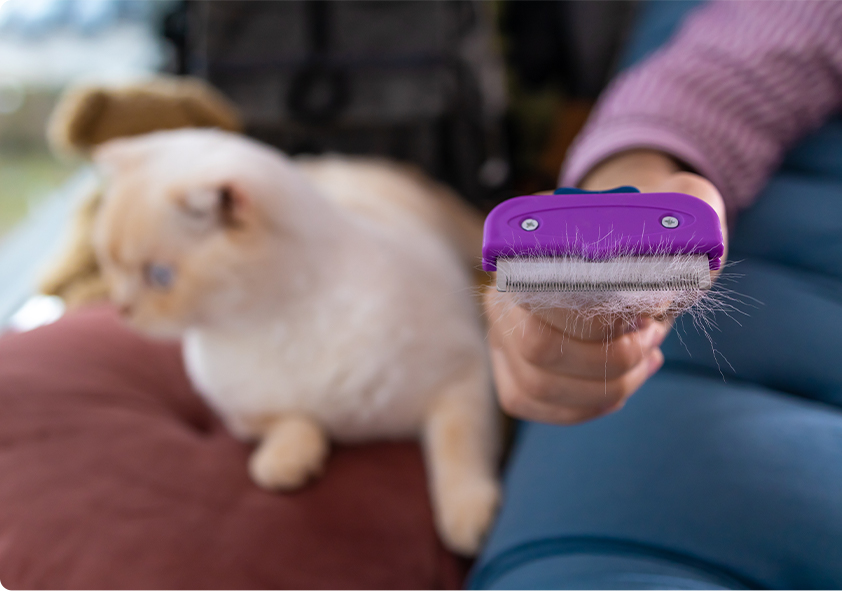
    Deshedding Tool Stainless steel, rounded tips, cat-specific design Daily (5-10 min) Avoid excessive pressure on thin skin
    Slicker Brush Fine angled wires, flexible construction, ball tips Daily Check for skin irritation after use
    Waterless Spray pH-balanced for cats, alcohol-free, anti-static As needed Ensure complete coat penetration
    Shampoo Oatmeal-based, soap-free, unscented Every 6-8 weeks Never use dog or human shampoo
    Grooming Wipes Unscented, alcohol-free, gentle cleansers 2-3x weekly Avoid face folds unless formulated for it
    Nail Clippers Guillotine-style, safety guard included Every 2-3 weeks Keep styptic powder on hand

    For silky coats prone to static and tangles, conditioners containing silk proteins and panthenol improve manageability. For thicker, cottony coats that mat easily, lightweight detangling conditioners prevent the heaviness that accelerates knot formation.

    Critical Warning: Tea tree oil is toxic to cats even in diluted concentrations. Always verify ingredient safety before using any grooming product on felines.

    The emotional dimension of cat grooming cannot be overlooked. Grooming sessions should be brief, positive, and associated with treats or play. Calming pheromone diffusers placed in grooming areas reduce anxiety.

    Pet Cleaning and Grooming Product: Is It Safe for Puppies with Sensitive Skin

    Puppy skin represents one of the most delicate surfaces in companion animal care. Neonatal and juvenile canine skin is significantly thinner than adult skin, with an underdeveloped stratum corneum that provides reduced barrier protection against environmental irritants, allergens, and chemical exposures.

    Puppy Skin Development Timeline
    6.2-6.5
    Puppy Skin pH
    12-16 wks
    Barrier Maturity
    8-16 wks
    Allergy Onset Window
    4-6 wks
    Recommended Bath Interval

    The puppy skin barrier reaches functional maturity between twelve and sixteen weeks of age, though full development continues into adolescence. During this critical window, the skin's lipid matrix, which prevents water loss and blocks pathogen entry, remains incomplete.

    Ingredient Benefit for Puppy Skin Quality Consideration Risk Factor
    Colloidal Oatmeal Anti-inflammatory, barrier restoration, itch relief Look for beta-glucan content None at proper concentration
    Aloe Vera (Inner Gel) Hydration, erythema reduction Must specify "inner leaf gel" or "decolorized" Latex layer contains laxative anthraquinones
    Chamomile Extract Gentle anti-inflammatory, calming scent Hydrosol form preferred over essential oil Essential oils too concentrated for puppies
    Calendula Extract Skin healing, mild antiseptic Diluted extract form None at therapeutic concentrations
    Centella Asiatica Barrier support, collagen synthesis Verify juvenile animal testing Limited puppy-specific safety data
    Cocamidopropyl Betaine Soap-free gentle cleansing Primary surfactant in quality formulas None; milder than sulfates

    Hypoallergenic formulations represent the baseline standard for sensitive puppy skin. These products exclude common sensitizers including artificial fragrances, synthetic dyes, parabens, sulfates, and formaldehyde-releasing preservatives. However, the term "hypoallergenic" lacks regulatory standardization in the pet product industry, making ingredient literacy essential for owners.

    Red Flags to Avoid: Sulfates (SLS/SLES), Parabens, Artificial Fragrances, Formaldehyde-releasing preservatives, Essential oils (for puppies under 12 weeks), Tea tree oil (all ages)

    Tool selection for sensitive puppies requires equal care. Brush bristles should be soft natural materials like boar hair or gentle synthetic fibers with rounded tips. Metal slicker brushes designed for adult coats can scratch puppy skin and create micro-abrasions.

    Puppies with persistently sensitive skin, recurrent ear infections, or chronic itching may have underlying atopic dermatitis, food allergies, or endocrine disorders that require veterinary diagnosis. No grooming product can resolve these systemic conditions.

    Which Pet Cleaning and Grooming Product Works Best for Shedding Season

    Shedding season represents one of the most challenging periods for pet owners. For double-coated breeds, seasonal coat blows can release astonishing quantities of undercoat, with some large dogs shedding enough fur in a single session to fill a grocery bag.

    Shedding Season Toolkit Investment
    USD 350M
    Electric Brush Market 2026
    USD 580M
    Electric Brush Market 2034
    2x/yr
    Peak Shedding Seasons
    40-50%
    Optimal Indoor Humidity

    The biology of seasonal shedding follows photoperiod-triggered hormonal cycles. As daylight hours lengthen in spring and shorten in autumn, melatonin levels shift, signaling the hair follicles to transition between growth and resting phases.

    Coat Length Category Representative Breeds Primary Deshedding Tool Secondary Tool Session Duration
    Short + Dense Undercoat Labrador, Beagle, Pug Rubber Curry Brush Short-toothed Deshedder 15-20 min, 2x weekly
    Medium + Moderate Undercoat Border Collie, Aussie Shepherd, Corgi Moderate-tooth Deshedder Slicker Brush 20-30 min, 3x weekly
    Long + Thick Undercoat Samoyed, Collie, Golden Retriever Long-tooth Undercoat Rake Pin Brush + Deshedder 30-45 min, daily
    Double-Coated Heavy Husky, Malamute, German Shepherd Undercoat Rake + Deshedder High-velocity Dryer 45-60 min, daily
    Long-Haired Cats Maine Coon, Persian, Ragdoll Cat-specific Deshedding Comb Slicker Brush 10-15 min, daily

    Deshedding tools represent the primary weapon against seasonal coat accumulation. The market leader, FURminator, has built a USD 350 million electric grooming brush category around the principle of removing loose undercoat before it detaches and scatters.

    Supplementary Strategy Product/Action Benefit Frequency
    Omega Fatty Acids Fish oil or flaxseed supplements Improves coat health from within, reduces excessive shedding Daily (dietary)
    Lightweight Conditioner Silicone-free detangling formula Reduces static, prevents shed hair clinging to coat Weekly during peak season
    Waterless Spray Anti-static grooming mist Captures loose surface hair between deep sessions As needed
    Humidity Control Humidifier set to 40-50% RH Reduces static electricity, improves coat manageability Continuous
    Bedding Maintenance Hot water wash (60C+) Removes accumulated hair and allergens Weekly
    Air Filtration HEPA air purifier Captures airborne hair and dander Continuous

    The 2026 innovation landscape includes smart grooming tools that adapt to coat density. Electric grooming brushes with sensors that detect resistance and adjust brushing intensity represent the cutting edge of deshedding technology.

    Professional Boost Strategy: Schedule mobile grooming appointments at the beginning and peak of shedding season for high-velocity dryer treatment, supplemented by weekly home maintenance.

    Dietary integration complements topical grooming products during shedding season. High-quality diets with adequate protein, essential fatty acids, and micronutrients support the hair growth cycle. Biotin, zinc, and copper play roles in keratin formation and hair shaft strength.

    View more Ningbo Jia Chong International Trade Co., Ltd.
  • Domestic products manufacturing has gone global. Ningbo Jia Chong pet supplies are selling well in overseas markets.
    2026-04-24

    Relying on excellent quality and customized service advantages, Ningbo Jia Chong pet supplies have continuously deepened their presence in overseas markets, with their products sold far and wide in Europe and America.
    The enterprise adheres to the concept of green production, strictly controlling raw materials, processes and factory inspections to ensure that each product is safe, harmless and durable. At the same time, it provides one-stop services such as LOGO customization, appearance design and packaging customization, which can flexibly adapt to the needs of different brand cooperation.
    With high cost-effectiveness and efficient delivery capabilities, the brand has become a long-term supplier for many overseas pet enterprises, continuously demonstrating the competitiveness of Made in China and helping domestic pet brands achieve global development.

    View more Ningbo Jia Chong International Trade Co., Ltd.
  • Focusing on new demands for outdoor pet care, Jia Chong in Ningbo has launched a variety of innovative pet products that are highly favored.
    2026-04-24

    As outdoor camping, hiking, and night-time pet walks have become new trends for pet ownership, the demand for functional outdoor pet supplies has continued to rise. Leveraging its continuous product development capabilities, the brand has created several best-selling outdoor pet products, precisely matching the current pet care consumption trends.
    The brand's reflective leash and protective chest and back belt series are the core advantageous products. They are made of high-visibility reflective materials, which can reflect strong light at night, significantly enhancing the safety of nighttime outings. The materials are flexible, durable, and comfortable to wear, balancing the pet's freedom of movement with wearing comfort. At the same time, new products such as portable pet water bottles, reinforced collars, and outdoor toys are continuously updated, achieving leak-proof portability, environmental protection, safety, and durability, and perfectly adapting to outdoor travel scenarios.
    The company adheres to demand-oriented principles, focuses on detailed design, and takes into account both practicality and humanization. Relying on its own R&D design capabilities, it continuously launches new products every year, continuously enriching product categories, solving pet care pain points through innovative design, and winning widespread recognition from consumers and buyers both at home and abroad with its high性价比 and excellent experience.

    View more Ningbo Jia Chong International Trade Co., Ltd.
  • Having been deeply engaged in the manufacturing of pet products for over a decade, Ningbo Jia Chong has accelerated the development of the industry with its strong capabilities.
    2026-04-24

    Recently, the local enterprise Ningbo Jia Chong, specializing in the research, production and customization of pet products, has firmly established itself in the global pet market by relying on its solid manufacturing foundation and stable product quality. Leveraging the comprehensive product range and mature production system showcased on its official website, the brand has focused on various scenarios such as pet daily travel, feeding, and interactive play for customers worldwide, providing them with a one-stop solution.
    As a source production factory, the enterprise has standardized production lines and possesses the complete capabilities of rapid prototyping, batch production, and customized development. It can efficiently handle OEM and ODM customization requirements. From raw material selection, process processing to quality inspection, the entire process is strictly controlled. All products comply with international safety standards and take into account durability, comfort, and safety.
    Adhering to the concept of "caring for pet quality life", Ningbo Jia Chong continuously optimizes production processes and upgrades product designs. Leveraging the advantageous industrial location of Ningbo, it has connected the supply chain and overseas channels. With reliable delivery capabilities and high-quality services, it has long-term cooperation with numerous pet brands both at home and abroad, continuously helping Chinese pet manufacturing enter the global market.

    View more Ningbo Jia Chong International Trade Co., Ltd.
Ningbo Jia Chong International Trade Co., Ltd.

Want to know more?

Message Us Right Now!

Whether you want to become our partner or need our professional guidance or support in product selections and problem solutions, our experts are always ready to help within 12 hours globally
  • Ningbo Jia Chong International Trade Co., Ltd. 16 years of factory production experience
  • Ningbo Jia Chong International Trade Co., Ltd. Support ODM/OEM
  • Ningbo Jia Chong International Trade Co., Ltd. Professional design, R&D, sales team
CONTACT US